
Industry Insight
Buying Stone Coated Metal Roofing: Is It Right for Your Project?
Look beyond price when buying stone coated metal roofing. Consider your local environment, installation and accessories, with a Philippine customer example.
By HoMate Global Operations
Whether stone coated metal roofing is right for your project depends on how well the product, installation approach and accessories suit the local environment and roof design. Start with where it will be used and what the roof needs to do, then compare the price of a complete, suitable package.
For importers and distributors, the same approach helps you choose a product range for the conditions your customers face. This guide covers what to confirm before ordering, with questions from a Philippine customer as an example.
1. Know exactly which product you are buying
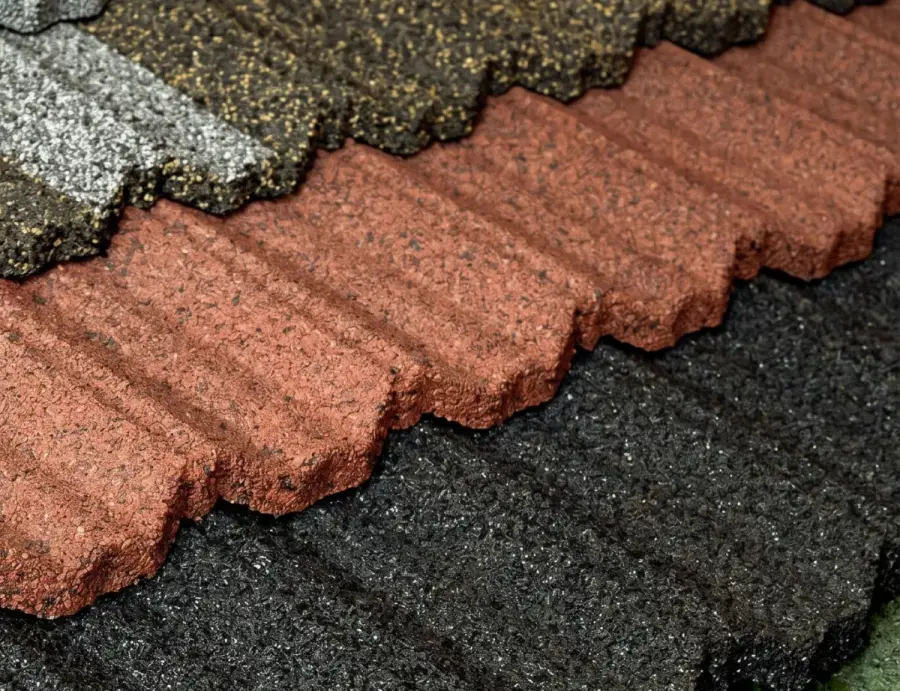
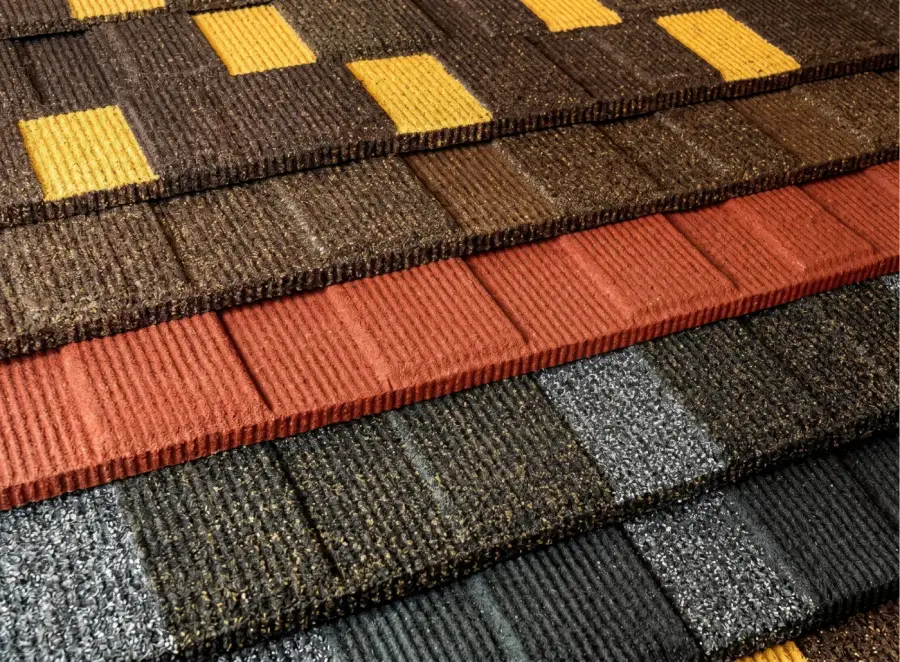
When choosing stone coated roofing tiles, start with the profile, finish and color that suit your project or product range. For a distributor, these define the range you will offer your customers. For a project buyer, they need to work with the building design. Roofing profiles vary in shape and texture, so samples are a useful starting point for comparing the available options.
| Item | Question to ask |
|---|---|
| Steel base | Does the stated thickness refer to the steel base or the finished coated tile? |
| Coating and finish | What metallic coating and surface finish are specified, and which documents describe them? |
| Dimensions and coverage | What are the overall dimensions, effective installed coverage and pieces per square metre? |
| Color and sample | Which sample or color reference will the order follow? |
| Product documents | Do the datasheet and any test reports identify the product being offered? |
Overall dimensions include areas that overlap. Effective coverage is the figure to use when discussing tile quantities; cuts and roof details need a separate allowance. Ask the supplier to resolve any conflicting figures before confirming your order.
2. Check what completes the roof
Ask for installation information covering the selected profile, including its slope requirements, support layout, overlaps and fixing details. Your project professional should confirm the arrangement for the actual building and site. A general brochure is a starting point, not a project-specific installation design.
If a supplier makes a wind-resistance or weather-performance claim, ask which test report supports it and what assembly was tested. The fixing and support details matter when deciding whether that evidence is relevant to your project.
Why should the quotation include accessories, not just tiles?
The tile covers the main roof area; ridges, valleys, edges and wall junctions need their own finishing details. A low tile price can therefore leave out parts needed to complete the roof. Compare quotations against the same roof layout and accessory schedule, with each item marked as included, optional or supplied locally.
| Roof detail | Item to identify | What the quotation should clarify |
|---|---|---|
| Ridges and hips | Matching caps and any required end closures | Profile, finish, usable length after overlaps and quantity from the roof drawing. |
| Internal valleys | Valley trays | Dimensions, material and lengths appropriate to the specified drainage detail. |
| Eaves and gable edges | Eaves flashing and barge covers | Edge detail, finish, lengths and whether these are included in the supply. |
| Wall junctions | Side flashing or the specified junction detail | Which roof-to-wall parts the supplier provides and which the installer supplies. |
| Attachment and finishing | Specified nails or screws and finishing materials | Fastener type, compatible substrate, quantity and installation instructions. |
For example, two orders with the same main tile quantity can need different accessory quantities if one roof has valleys and wall junctions and the other does not. Ask for a drawing-based material list, rather than treating an accessory allowance as interchangeable between roofs.
3. Stone Coated Metal Roofing in the Philippines: Will It Suit Your Location?
When comparing stone coated roofing prices in the Philippines, check whether each quote includes the accessories and delivery scope your order needs. A customer from the Philippines once asked us: could stone coated roofing withstand a typhoon, would it rust near the sea, and was it suitable for frequent rain? All three questions came down to choosing roofing that suits the actual location.
How HOMATE supports roofing orders for the Philippines
For exposed locations: Tell us about the site and share any roof drawings. Our team can provide installation recommendations for your selected profile and discuss the fixing details with your installer against the project's wind requirements.
For homes near the sea: Let us know how close the building is to the coast. We can review the material and accessory options with you, explain care requirements and clarify the applicable warranty terms before you order.
For frequent rain: PAGASA's 1991–2020 records show an average of 124 rainy days a year at Manila Port Area. With your local conditions and roof layout in mind, HOMATE can help coordinate tiles with matching ridge caps, valley trays, flashings and drainage accessories, so your order covers the roof's edges and junctions as well as its main surface.
Source: PAGASA: Port Area, Manila. 1991–2020 station averages; not a forecast for an individual project.
The aim is to match the roofing order to the place it will be used, with installation advice and accessories considered together.
4. Confirm packing and how the order will be received
Packing affects the practical side of an order: unloading, storage and checking that the right profiles and colors have arrived. Ask for pieces per pack or pallet, package dimensions, gross weight and how products will be identified.
For mixed orders, confirm the quantities by profile and color, including accessories. Discuss any labeling needs and request the loading plan for the agreed mix. A generic container capacity does not replace an order-specific packing list.
Agree how shortages or transport damage should be recorded and reported. Keep the final specification, approved sample reference and packing list together so the receiving team knows what to check.
5. Put delivery and support terms in writing
Make sure the quotation names the delivery point and explains which transport charges are included. For an import order, discuss remaining destination charges and onward delivery with your freight forwarder. An unspecified cost is an open question, not a zero.
Timing: Separate production lead time from transit estimates, and confirm what starts the production schedule.
Commercial terms: Confirm minimum quantities, payment terms, quote validity and sample arrangements.
Warranty and support: Read the written coverage, exclusions and claim process. Ask who will handle product questions after delivery.
6. Start with your project or product range
You do not need a complete technical specification to begin a conversation. Tell us where the roofing will be used, whether you are buying for a project or resale, and which profiles you are considering. Share a roof photo or drawing if available, along with an approximate quantity and destination, so we can work through the next questions with you.
HOMATE can help you compare profiles, discuss matching accessories and clarify the details needed for a quotation. If your project already has technical requirements, share them so we can discuss the available product information against those requirements.

Factory Direct
Planning a roofing order?
Tell us where the roofing will be used, the profiles you like and your approximate quantity. We can help you compare options, discuss accessories and clarify the details for a quotation.